
Blogs
News & Updates
POST INFO
By Fast Ferrum | Business
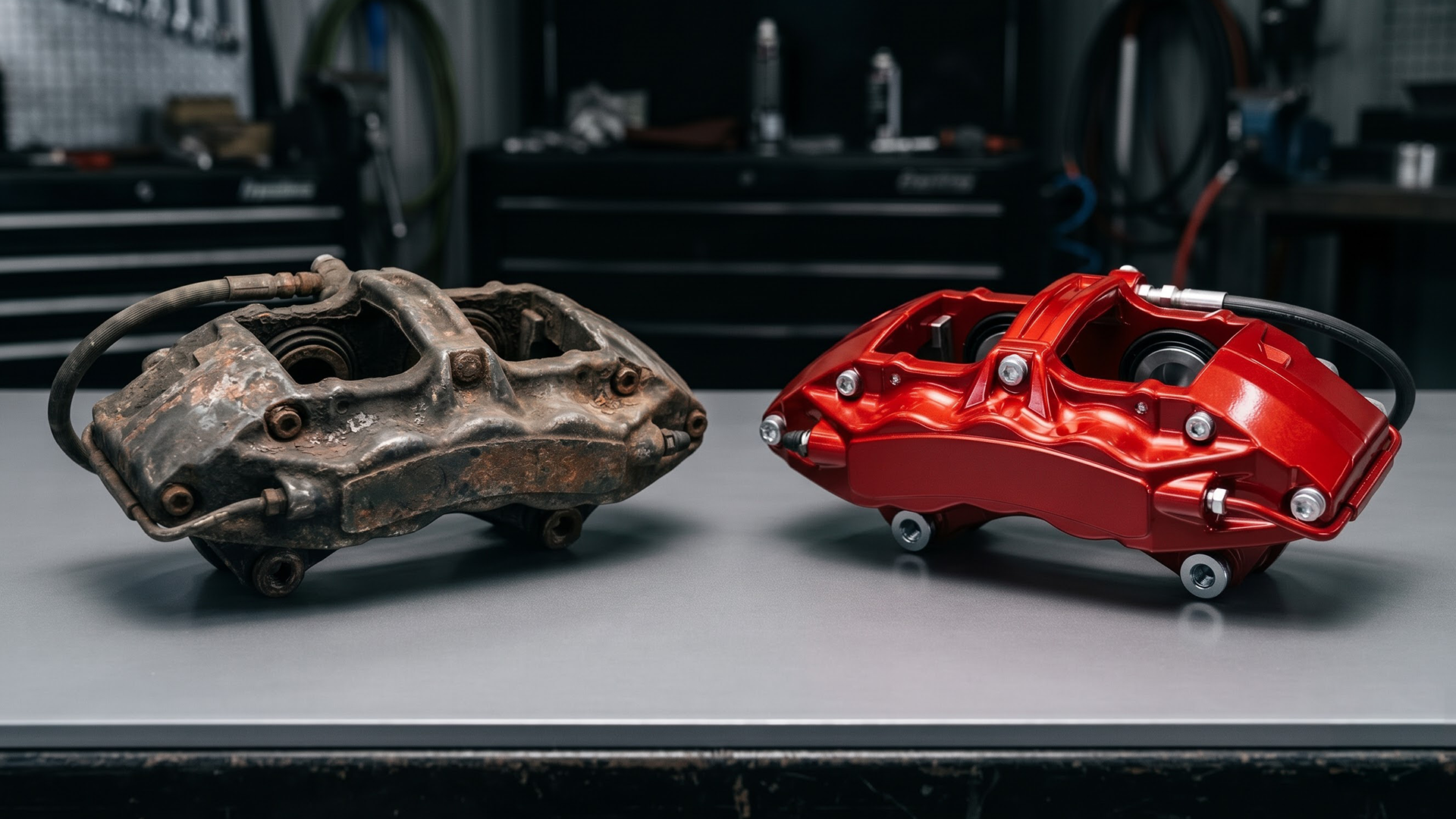
5 Symptoms of a Failing Brake Caliper (And Why Replacement Beats Rebuild)
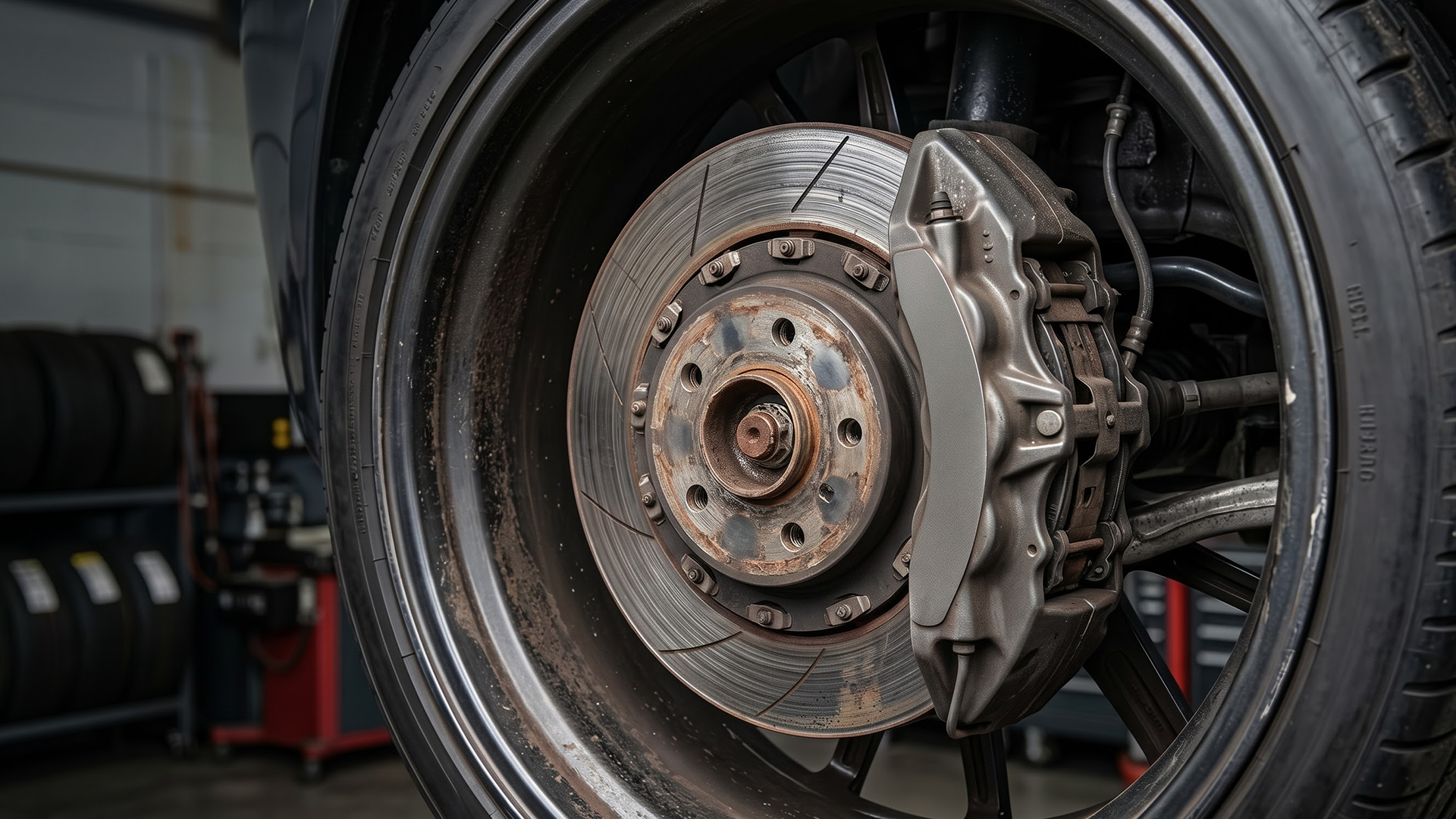
A caliper doesn't usually die all at once. It gives you a series of small warnings, and most drivers notice at least two of them before they finally park the car and grab the sockets. Here are the five to watch for, in the order they usually show up.
- Pulling to one side under braking. You touch the brakes and the steering wheel tugs left or right. That's a caliper on the opposite side not applying force evenly. On a car with fresh alignment and matched tire wear, this is a caliper problem until proven otherwise. Confirm it by driving on a flat, empty stretch and braking gently. If the car tracks straight without input, and then pulls only when you brake harder, the caliper is your suspect.
- Uneven pad wear on one wheel. Pull the wheel and check both pads on the same caliper. If the inner pad is significantly thinner than the outer, or the pads on one side of the car look nothing like the pads on the other side, you have a caliper that's either sticking closed or not releasing fully. A common Canadian pattern is inner pads worn down to almost nothing while the outers still have plenty of life left, which points to a seized piston holding the inner pad against the rotor.
- A wheel that's noticeably hotter than the others after a drive. Park after a normal run, put your hand near each wheel without touching the rotor. All four should be warm. If one is hot enough that you don't want to leave your hand there, that caliper is dragging. You'll usually see a fuel economy drop of a couple of litres per hundred kilometres before you figure this out, and in extreme cases the smell of hot friction material will hit you before you've stepped out of the car.
- Fluid weeping around the caliper piston or bleeder. Brake fluid attracts dirt and shows up as a damp, dark residue. If you see it, the seal is done. This is the point where the caliper stops being a maintenance item and becomes a safety item. Weeping fluid also means air can work its way in when the fluid cools and contracts, which explains the soft pedal that often shows up alongside this symptom.
- Seized slide pins. The pins that let the caliper float should move freely when you pull them out and clean them. If they're rusted in place or need force to move, the caliper can't self-center, and one pad will always be doing more work than the other. This is the most common failure mode on cars that have seen five or more Canadian winters, and it's often the real cause behind symptoms two and three above.
Now, on rebuild versus replace.
In a warmer, drier climate, rebuilding a caliper can be a reasonable move. Fresh seals, new dust boots, a hone of the piston bore, and you're back in business. In Canada, that math changes.
Our salt and moisture cycle destroys caliper bores from the inside. By the time a caliper is showing symptoms, the piston is usually pitted, the bore has surface corrosion, and no seal kit is going to make that assembly reliable again. You might get another winter out of it, or you might get three months and be doing the job twice. The bracket itself is often no better. Rust between the bracket and the slide pin bores creates the exact seizing you were trying to fix. In this environment, swapping in a fresh caliper assembly is almost always cheaper over the life of the vehicle than rebuilding a corroded one.
There's also the time cost. A caliper rebuild is two to three hours of careful work per side, plus the risk of getting everything back together and realizing you need a part you didn't know was worn. A caliper swap is under an hour per side and comes with a warranty. Unless you're restoring a vintage car with parts that aren't reproduced, replacement is the honest recommendation.
Replace as axle pairs.
If the left front is going, the right front is next. It's exposed to the same salt, the same heat cycles, and the same age. Running one fresh caliper against one tired one creates the exact pull-under-braking problem you were trying to fix.
Before you order.
Check whether your calipers include the bracket or if that's a separate part number. Some manufacturers sell the caliper alone (the piston housing) and the bracket separately. If the slide pin bores in your old bracket are pitted or corroded, buying the caliper alone puts a new piece of hardware on a compromised mount, and the same problem returns within a season. Order the bracket too, or buy loaded calipers that come with everything you need including new pads.
When you install: use fresh copper crush washers on the banjo bolt, bleed the system properly using a two-person pump method or a vacuum bleeder, and torque the mounting bolts to spec. A caliper that isn't torqued correctly can loosen or bind, and both failure modes are serious. Grease the slide pins with high-temperature brake caliper grease, not chassis grease, before reassembly. The wrong lubricant here will fail within a season. If your pads are also at or near the wear indicator, this is the moment to change them too, and fresh brake pads on new calipers will give you the most consistent bite through the seasons ahead.
Post
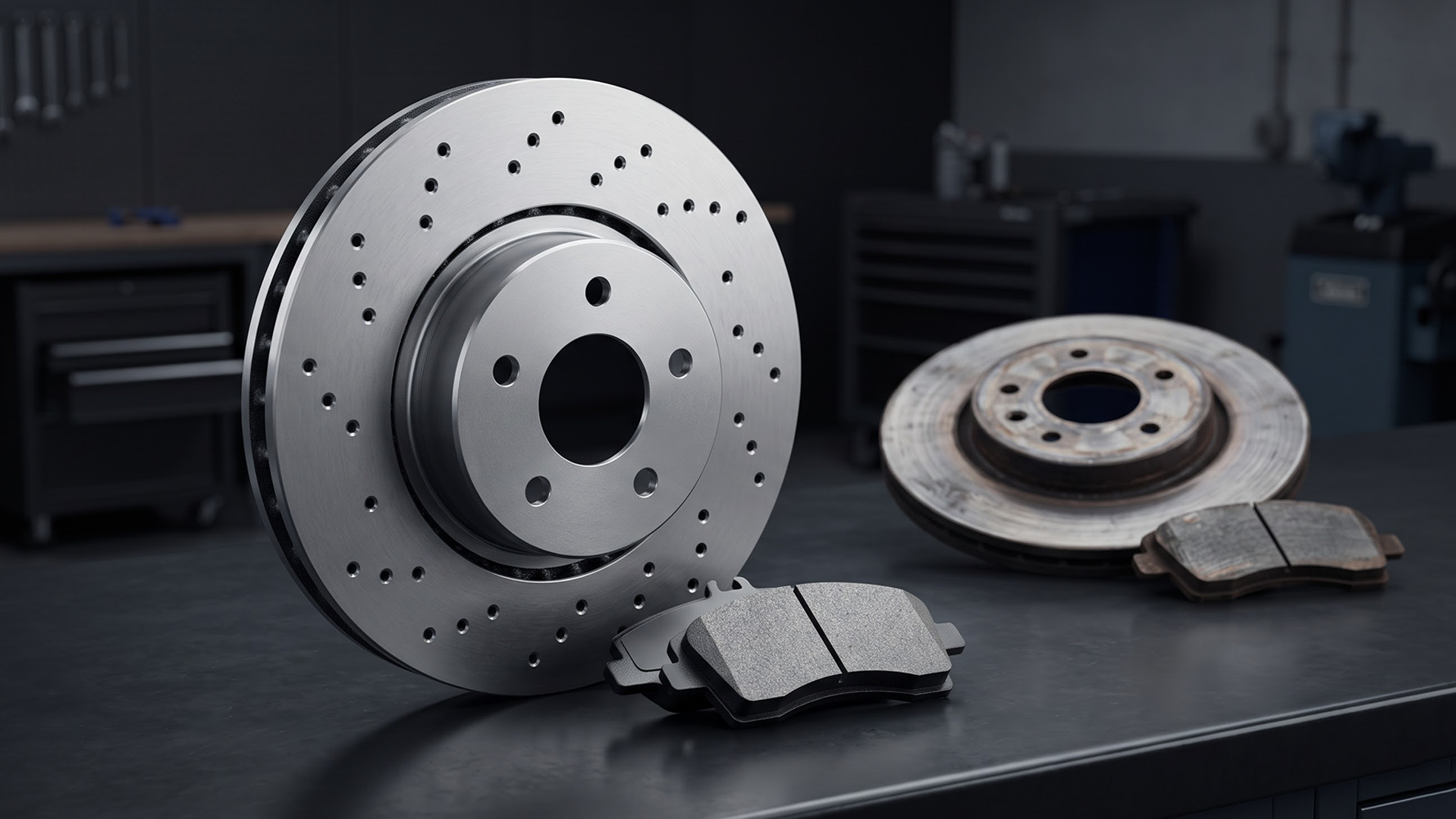
Should You Replace Brake Rotors and Pads Together? A Straight Answer
02 FEB 2026
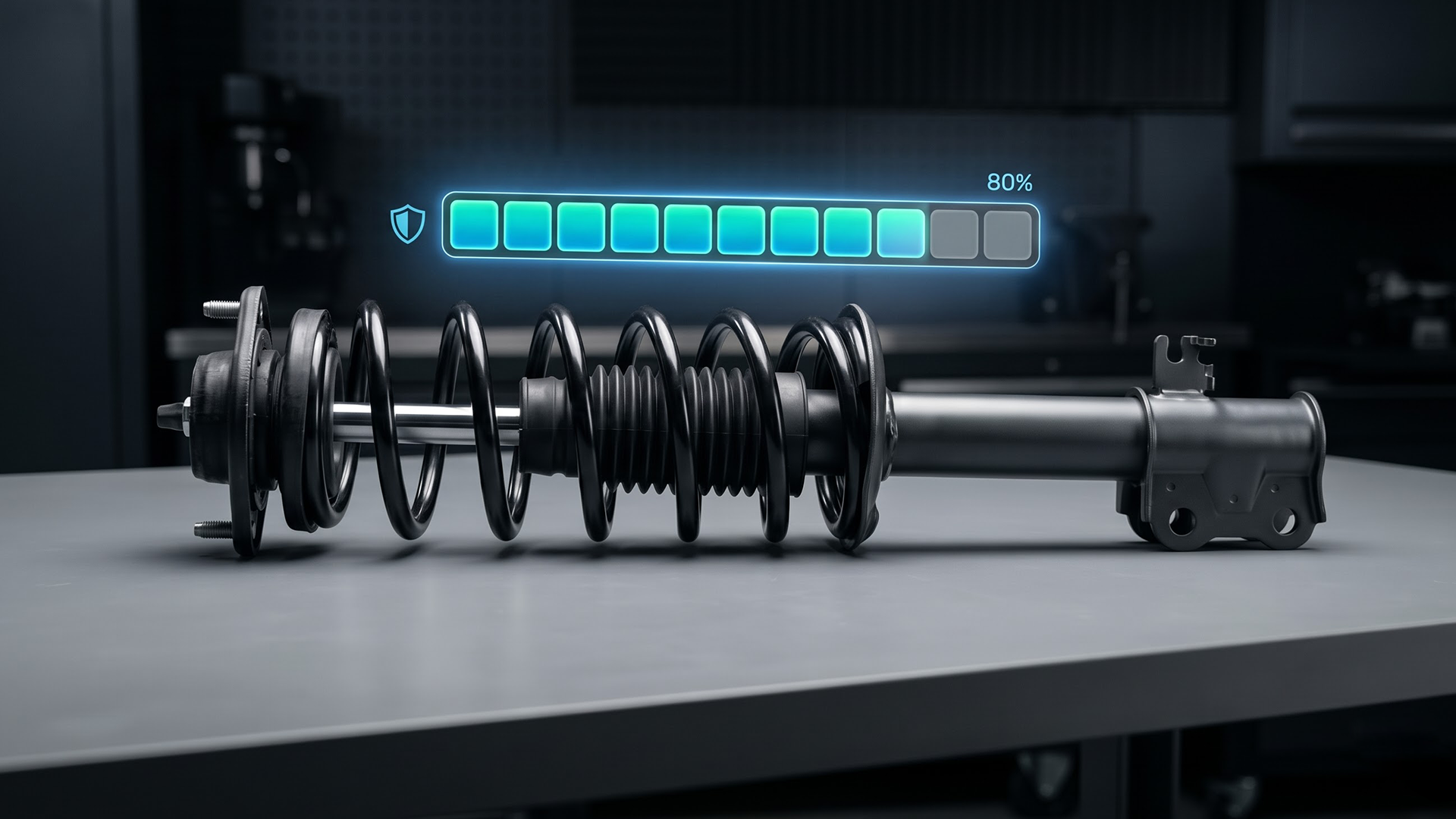
The Real Lifespan of Struts and Shocks: When Suspension Actually Needs Replacing
02 FEB 2026
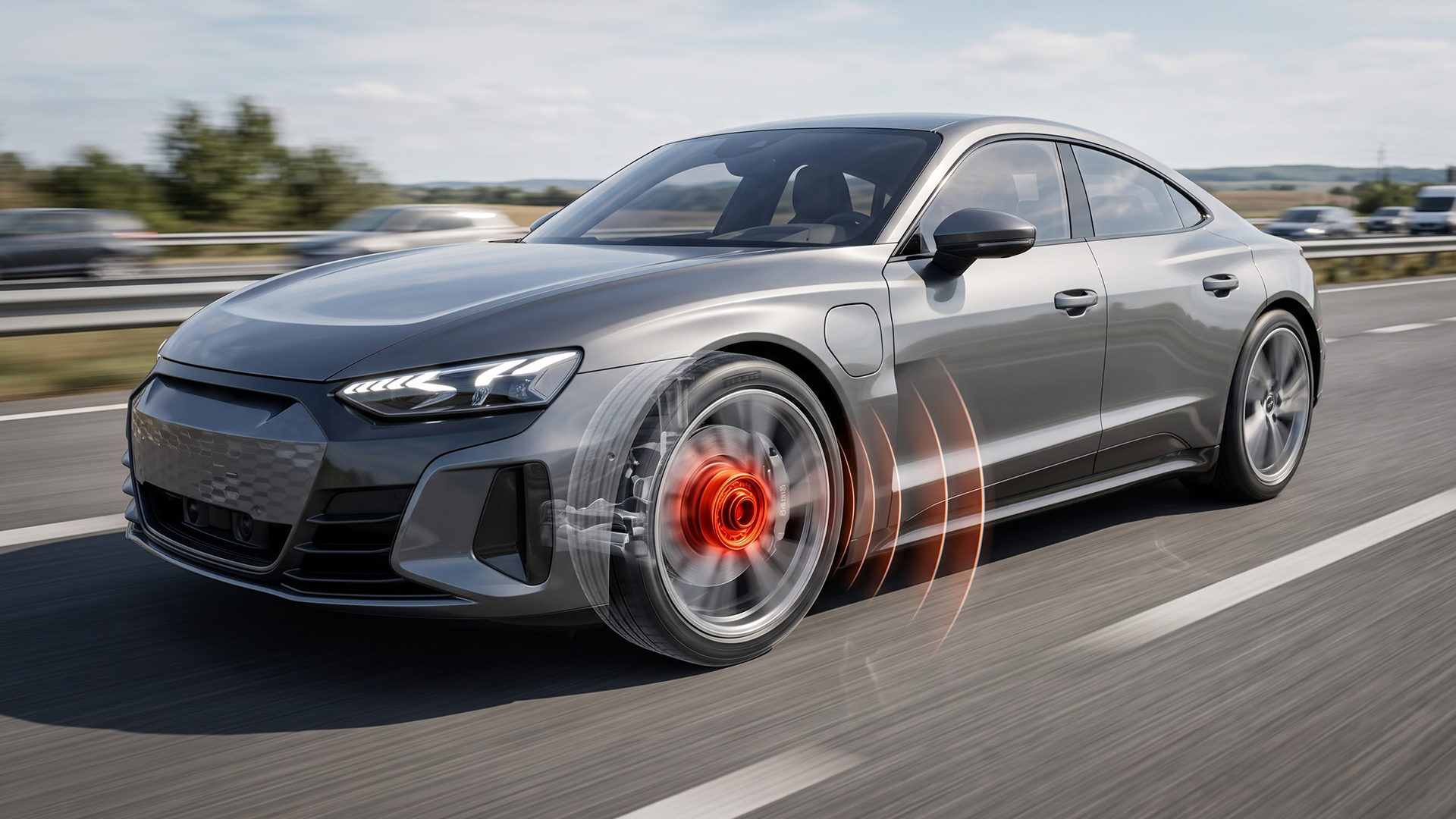
That Humming Sound at Highway Speed? Your Wheel Hub Is Warning You
02 FEB 2026
5 Symptoms of a Failing Brake Caliper (And Why Replacement Beats Rebuild)
02 FEB 2026
5 Warning Signs Your Brakes Are Failing
02 FEB 2026