
Blogs
News & Updates
POST INFO
By Fast Ferrum | Business
5 Warning Signs Your Brakes Are Failing
Brakes are polite. They give you warnings, often for weeks, before they leave you in a bad situation. Most drivers ignore the first three signs and only act on the fourth or fifth. Here's what to actually pay attention to, in the order the warnings usually arrive.
- Squealing that shows up cold and goes away warm. This is your first warning. Most modern brake pads have a small metal wear indicator that's designed to make a high-pitched squeal when the pad material has worn down to the replacement point. The squeal is loudest during the first few stops of the day and often quiets down after the pads warm up. Do not wait for the squeal to become constant. That's when you've moved from pad replacement to pad and rotor replacement, and the cost of the job doubles. Catch it at the early squeal stage and you're looking at a straightforward swap for a fresh set of brake pads.
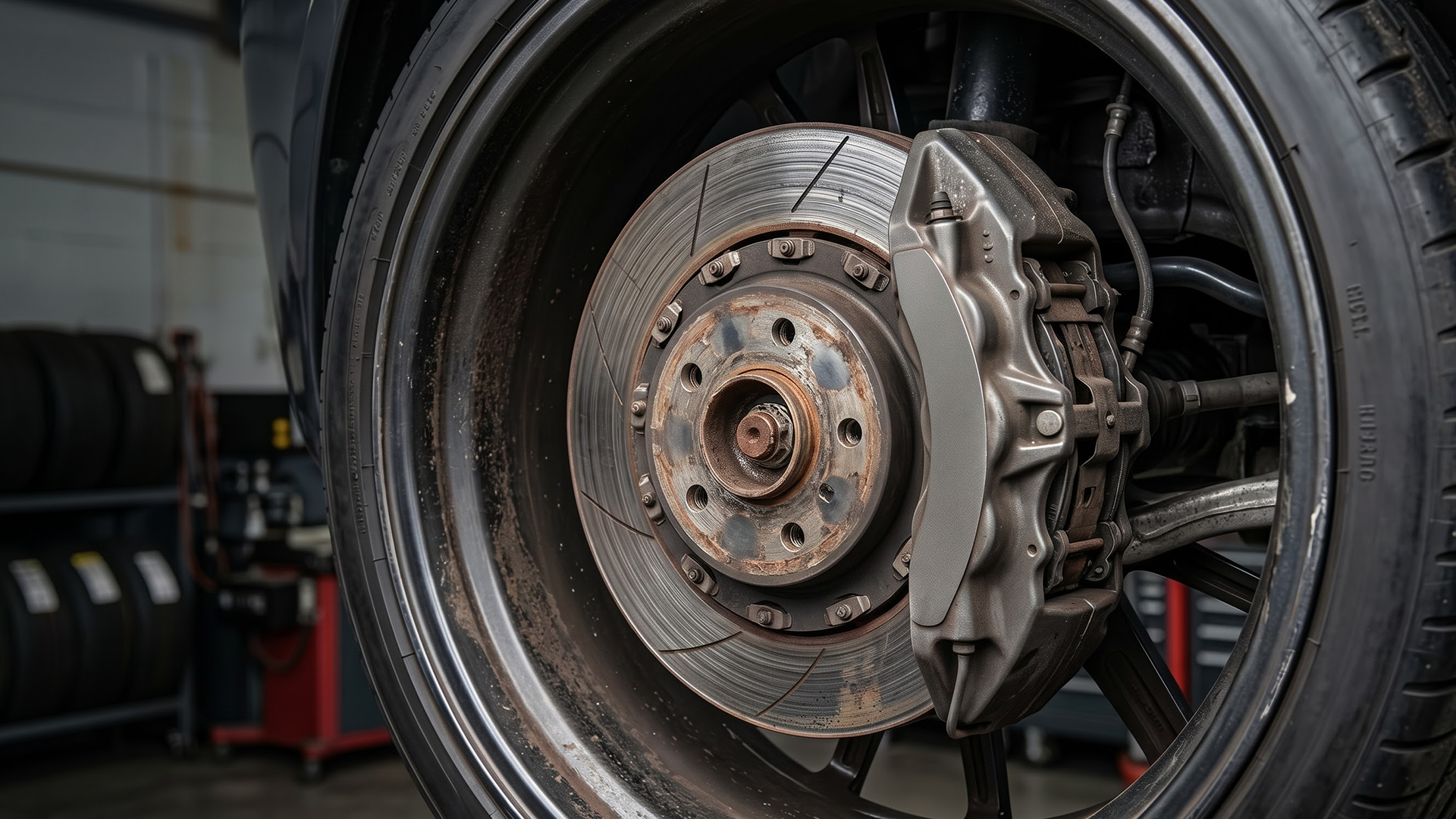
- A grinding sound when you brake. If the squeal turned into a grind, the friction material on the pad is gone. You're now braking with the metal backing plate against the rotor. Every stop is cutting grooves into the rotor and destroying it. This is the stage where a $150 pad job becomes a $500 pad and rotor job, and depending on how long you drive it, you may also be looking at caliper damage from the piston extending too far in the bore. Stop driving the car and fix it. You'll almost certainly need new rotors alongside the pads at this point.
- A soft or spongy pedal. The pedal should feel firm within the first inch or two of travel. If it feels soft, or if it travels most of the way to the floor before doing anything, you have air in the lines, low fluid, or a failing master cylinder. Any of the three is a safety problem. Check the reservoir first. If the fluid is low, find out where it went. Brake fluid doesn't evaporate. If it's not in the reservoir, it's leaking somewhere in the system. Common leak points are the caliper piston seals, the flexible rubber lines near the wheels, and the hard line junctions along the underbody where salt corrodes fittings. Brake fluid also absorbs moisture over time, and in Canada it does that faster because of humidity swings between seasons. Old fluid boils at a lower temperature under hard braking, which produces vapour in the lines and mimics an air-in-the-lines symptom. Fluid that's more than three or four years old should be flushed regardless of how the pedal feels.
- A pulsating pedal under braking. If you feel the pedal pushing back against your foot in a rhythmic pulse during hard braking, that's rotor runout or thickness variation. Rotors that have been through repeated heat cycles, or rotors that were installed on dirty hubs, will develop this. Warped is the word people use, though the actual cause is usually thickness variation from uneven wear. Either way, you need replacement rotors. When you install them, wire-brush the hub mounting surface until it's clean bare metal. Any scale left behind creates runout on the new rotor, and you'll be doing the job again in six months.
- Pulling to one side, or a warning light on the dash. Pulling means a caliper or hydraulic issue on the opposite side. A warning light means the vehicle's own systems have detected something the driver hasn't. Never dismiss either. Check the fluid, check the pads, and if nothing is obvious, get it on a hoist. A brake or ABS warning light in particular can point to a wheel speed sensor or a hub assembly, both of which affect braking performance in wet or icy conditions.
The Canadian addition to this list.
Rust. Specifically, rust that forms on the rotor edges and along the pad backing plates through winter driving. Rust jacking can push pads out of alignment with the rotor, cause dragging, and eat rotors from the outside in. If your car sat through most of a winter and now the brakes feel off, corrosion is high on the list of suspects, even if none of the five signs above are showing yet.
A good habit is a brake inspection at the seasonal tire swap in spring and fall. You've got the wheels off anyway. Fifteen minutes with a flashlight and a pad thickness gauge will tell you whether you're heading into the next season with brakes you can trust. Check pad thickness, look for uneven wear side-to-side, check the rotor edges for rust ridging, and make sure the caliper slide pins move freely.
One last note.
If you're seeing any two of these signs together, the fix isn't optional and it isn't next weekend. Brake failure doesn't wait for a convenient time. Replace as axle pairs, use quality parts, torque to spec, and bed the pads in properly. Brakes done right at home will outlast most shop jobs, because you have every incentive to do it correctly.
Post
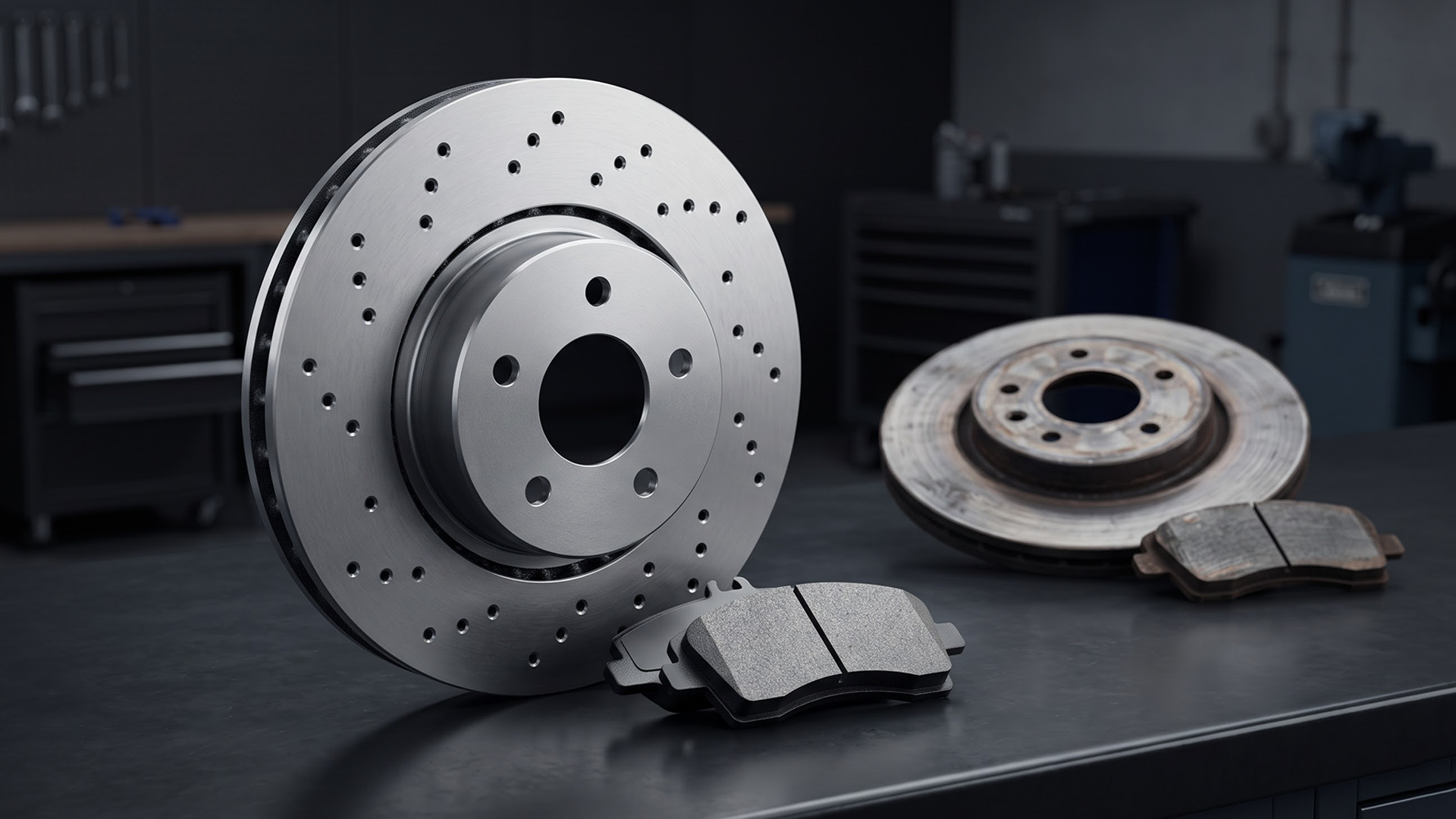
Should You Replace Brake Rotors and Pads Together? A Straight Answer
02 FEB 2026
The Real Lifespan of Struts and Shocks: When Suspension Actually Needs Replacing
02 FEB 2026
That Humming Sound at Highway Speed? Your Wheel Hub Is Warning You
02 FEB 2026
5 Symptoms of a Failing Brake Caliper (And Why Replacement Beats Rebuild)
02 FEB 2026
5 Warning Signs Your Brakes Are Failing
02 FEB 2026